Learn what equipment is and why it drives modern industrial efficiency.
The term equipment is widely used in industries such as manufacturing, engineering, construction, and heavy machinery. However, many people still lack a deep understanding of what equipment really means, its classifications, and how essential it is for boosting operational efficiency.
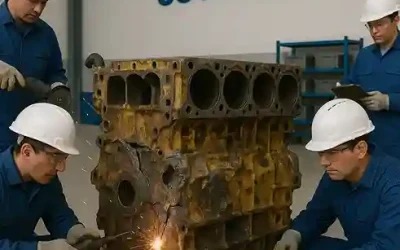
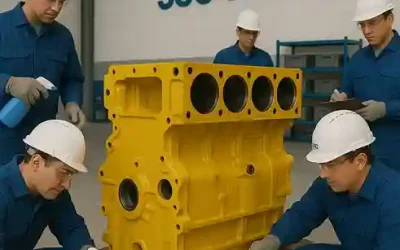
In professional environments like SSC Works, which operates in fabrication, heavy equipment repair, and engineering services, understanding equipment is crucial—every decision about purchasing, maintaining, and using equipment directly impacts productivity, safety, and cost efficiency.
1. What Equipment Is
Simply put, equipment is the machinery, devices, or systems used to support specific work processes, whether in production, repair, or construction.
Unlike tools (small instruments like wrenches or screwdrivers), equipment refers to larger or more complex machines, such as:
Welding machines
Cranes, hoists, and forklifts
Lathe and milling machines
Compressors, generators, hydraulic pumps
Blasting chambers and spray booths for surface treatment
In industrial operations, equipment is the backbone that determines speed, quality, and consistency of work.
2. Types of Equipment by Function
| Category | Examples | Primary Purpose |
|---|---|---|
| Production Equipment | CNC, lathe, milling | Cutting, shaping, and fabrication |
| Material Handling Equipment | Forklift, crane, hoist | Lifting and moving materials |
| Inspection Equipment | NDT tools, pressure testers | Quality control and testing |
| Maintenance Equipment | Welding units, compressors | Repairs and servicing |
| Safety Equipment | PPE, harnesses, exhaust systems | Worker and environment safety |
With this classification framework, companies can strategically plan investment, maintenance, and equipment lifecycle management.
3. The Role of Equipment in Industrial Efficiency
Several global studies confirm how crucial equipment is in achieving efficiency:
A Global Manufacturing Report 2025 shows modern equipment can increase operational efficiency by up to 28%.
McKinsey research (2024) found companies using smart equipment with IoT sensors reduced maintenance costs by 15–25% each year.
Predictive maintenance systems reduce unplanned downtime by up to 20%, saving millions in lost productivity.
Equipment is not just a physical asset—it is a strategic investment.
Key benefits include:
Higher productivity with automated and precise systems
Consistent quality aligned with ISO, ASTM, and international standards
Enhanced safety due to automated protection mechanisms
Lower operating costs through reduced energy consumption and breakdowns
4. Smart Equipment: The Future of Workshops
Industry 4.0 has transformed the definition of equipment.
Today’s Smart Industrial Equipment includes technologies such as:
Digital sensors to monitor heat, vibration, and load
Predictive maintenance algorithms
Cloud-based equipment monitoring dashboards
Energy-efficient and eco-friendly systems
Modular and upgradeable components
According to IoT Analytics 2025, over 65% of factories in Southeast Asia have integrated at least one form of smart equipment into their operations.
For SSC Works, adopting smart equipment enhances reliability, reduces downtime, and speeds up fabrication and repair operations.
5. Challenges in Equipment Management & How to Overcome Them
While equipment offers major benefits, managing it comes with challenges:
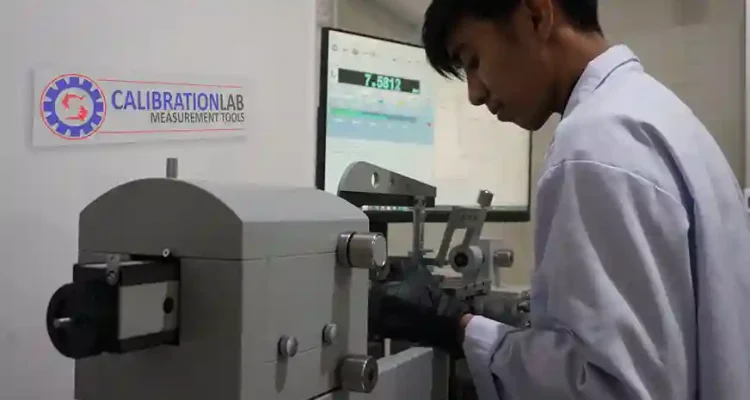
High maintenance and calibration costs
Limited skilled technicians for troubleshooting
Dependence on imported spare parts
Strict documentation requirements (WPS, ITP, MDR, QC records)
Effective strategies include:
Implementing data-driven maintenance systems
Ongoing training for certified technicians
Digital tracking for equipment usage and health
Partnering with trusted vendors for guaranteed support
With these strategies, workshop operations can run seamlessly and sustainably.
6. Conclusion
In summary, equipment is a critical asset that determines success in industrial operations.
Without reliable, efficient, and well-maintained equipment, productivity drops, costs rise, and competitiveness decreases.
Investing in modern equipment and implementing smart management systems is not just a trend — it is a necessity for today’s industrial landscape.
Want to optimize your industrial equipment for higher productivity and lower downtime?
💬 Contact SSC Works today. Our engineering team is ready to assist with equipment audits, maintenance programs, and workshop modernization tailored to your operational needs.