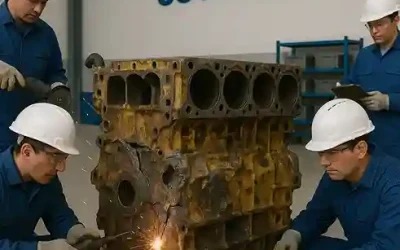
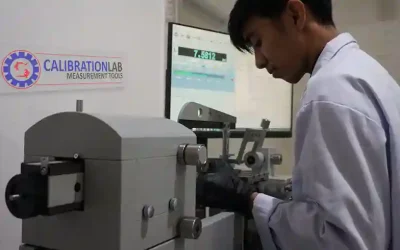
Have you ever wondered how heavy equipment such as excavators, bulldozers, or large mining vehicles are created with such high precision? The secret lies in the process known as assembling. In this article, SSC Works invites you to explore assembling, its stages, and why this process is crucial in the heavy equipment manufacturing and repair industry.
Understanding Assembling
Assembling or assembly is an essential stage in manufacturing fabrication that involves combining various components or parts into a finished product ready for use. This process requires accuracy, high precision, and an in-depth understanding of the working mechanisms of these components to produce products that are high-quality, safe, and durable.
Types of Assembling
1. Manual Assembling
A manual assembly process performed by human workers using simple tools such as screwdrivers, pliers, or wrenches. This process is often used in assembling products that require high accuracy but are produced in small to medium volumes.
2. Semi-Automatic
A combination of human labor and automated machinery. This method is usually employed in medium-scale production requiring higher precision than manual assembling while maintaining high flexibility.
3. Automatic (Robotic Assembling)
Entirely performed by machines or robots. This method is commonly used in mass production to enhance speed, consistency in quality, and reduce human error.
Assembly Process Stages at SSC Works
1. Planning and Preparation
This stage includes understanding technical drawings, determining required components, and preparing tools and materials with strict quality standards.
2. Component Quality Inspection
Before assembly begins, SSC Works performs meticulous quality checks on components to ensure no defects can impact the final outcome.
3. Assembly Process
In this stage, components are combined according to technical drawings or specific customer requests, employing manual, semi-automatic, or automatic techniques depending on project needs.
4. Final Quality Control
After assembling, SSC Works conducts final checks, including functionality testing, strength, and assembly precision.
5. Finishing and Delivery
The final process includes finishing touches such as painting, galvanizing, or special coatings, followed by secure packaging for delivery to customer locations.
The Importance of Proper Assembling in the Heavy Equipment Industry
Why is assembling so critical in heavy equipment fabrication? Here are some primary reasons:
Ensuring Safety: Proper assembling ensures all components function optimally, reducing workplace accident risks.
Boosting Productivity: Well-assembled heavy equipment lasts longer and is less prone to breakdowns.
Reducing Maintenance Costs: Precisely assembled products typically have a longer lifespan and require minimal maintenance.
Enhancing Customer Satisfaction: High-quality products automatically increase customer trust and satisfaction.
Why Choose SSC Works for Your Heavy Equipment Assembling Needs?
At SSC Works, we not only understand the importance of assembling but also have an experienced team specialized in heavy equipment assembly and manufacturing fabrication. Supported by the latest technology, such as robotic assembling and rigorous inspections, SSC Works ensures each product meets the highest quality standards.
Are you planning a fabrication or heavy equipment repair project? Trust your assembling process to the experts at SSC Works.
For further consultation, contact our professional team today and ensure your products are assembled with the highest quality.